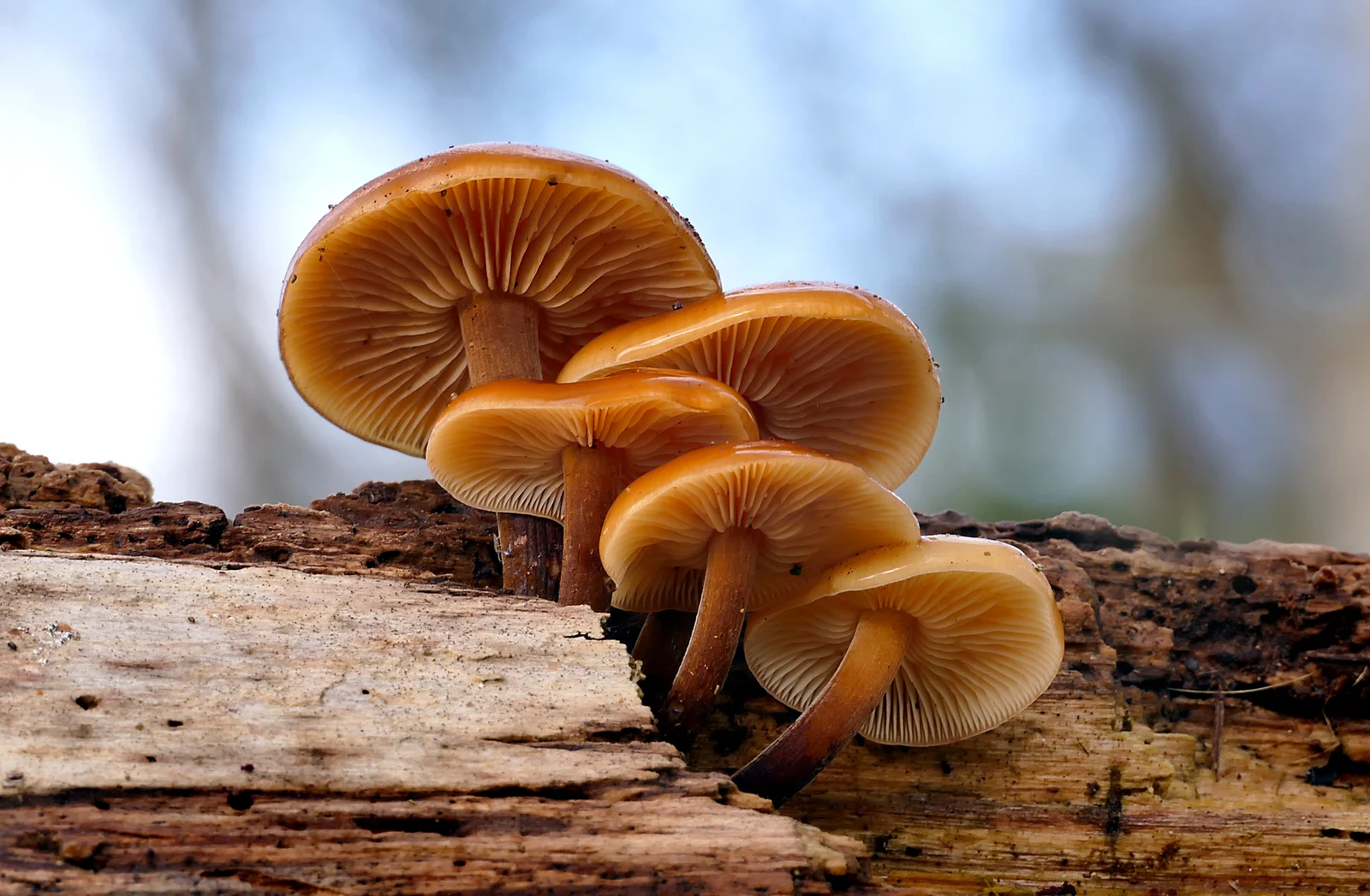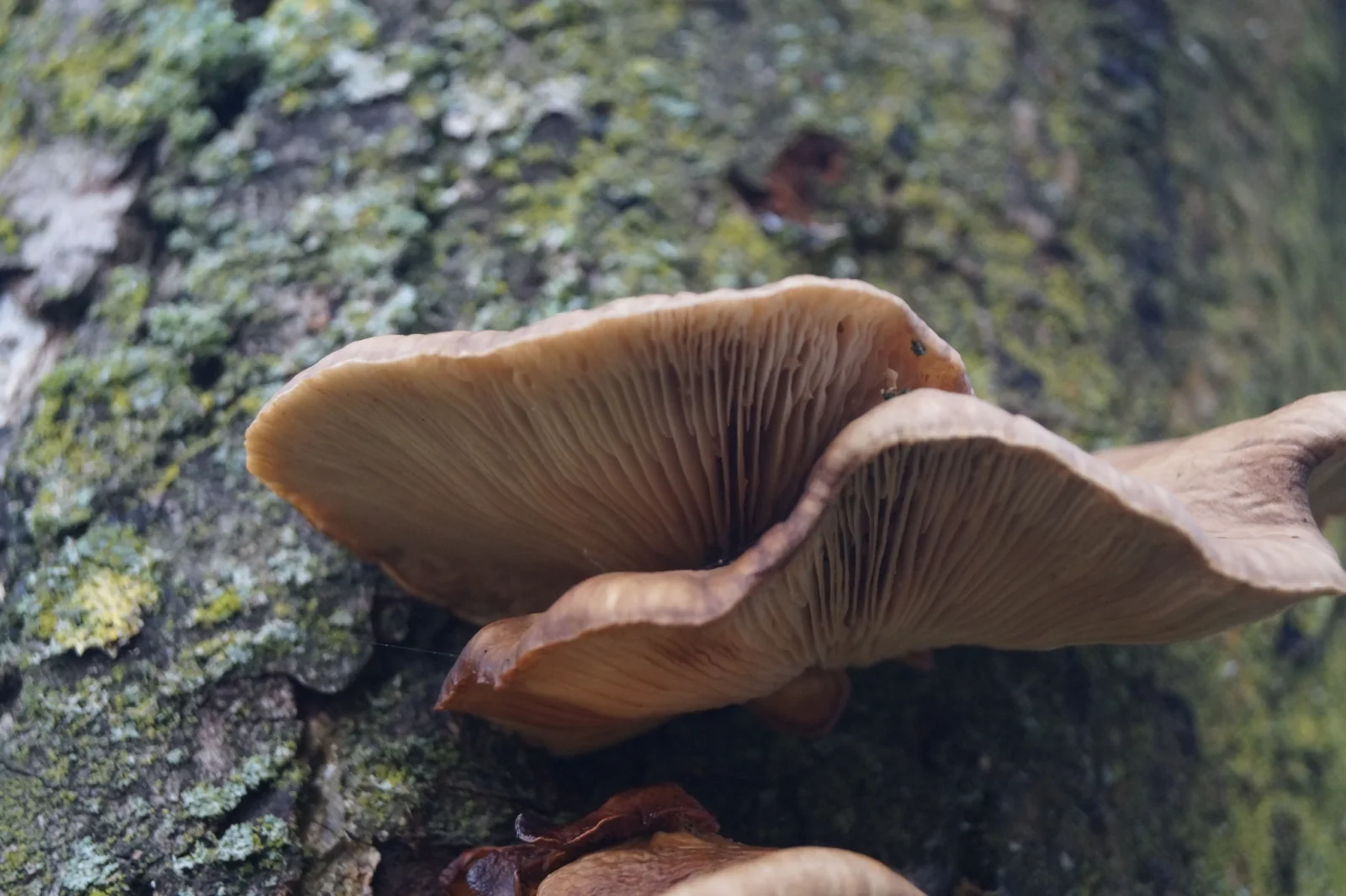
Frequent
The foundation of a living habitat
LIVING BIODIVERSITY COLLECTION / INVITE-ONLY CLOSED ALPHA
Discover real fungi, give them a place to live, and experiment with fictional descendants that could never exist.
FOUNDING ACCESS / EMAIL LIST
Be first through the doors when Genara opens beyond the closed alpha.
Expeditions discover what exists. Experiments uncover what cannot exist.
REAL SPECIES ≠ FICTIONAL ANOMALY / GAME MODEL ≠ CULTIVATION ADVICE01 / THE LIVING LOOP
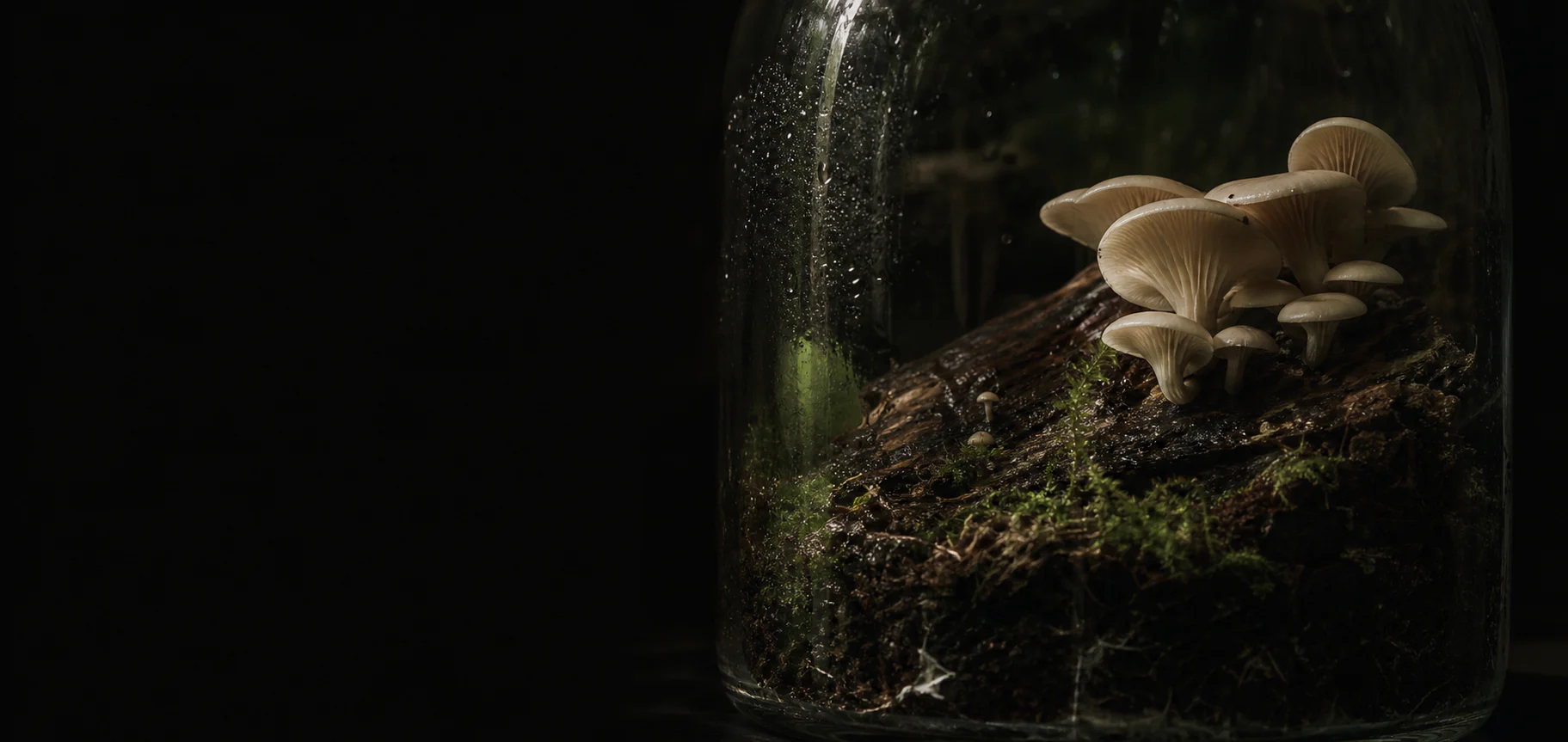
The habitat—not account setup, a marketplace or an inventory grid—is home. Every expedition should make the world in glass more personal, legible and alive.
Choose a rotating discovery pool with visible contents and disclosed odds.
Reveal a natural species linked to a real public fungal record.
Choose a zone in the glass habitat and make the specimen immediately visible.
Adjust moisture, light, temperature and substrate for the habitat.
See suitable, tolerable and stressed states respond to those controls.
Burn Matrix, Pressure and Catalyst to create a separate fictional Anomaly child.
02 / NATURAL DISCOVERY TIERS
Every expedition reveals exactly one natural specimen and no materials or secondary reward. The chase begins at reveal—not only after experimentation.
The foundation of a living habitat
A less familiar form or visual language
A high-impact natural discovery
The defining specimen of an expedition
BAD-LUCK PROTECTIONAfter nine consecutive Frequent reveals, the tenth is at least Uncommon if Rare or Signature does not land.
KEEP THE MEANING CLEANDiscovery Tier describes scarcity inside Genara. It never implies conservation status, population decline or biological rarity.
03 / NATURAL SANCTUARY
All ten records can appear in Expeditions. Nine visible fungi can inhabit the glass habitat and Return to Mycelium; Saccharomyces cerevisiae enters the Microscope Archive. Eight assembly-backed macrofungi are Experiment-compatible, while taxonomy-backed Morchella esculenta remains Experiment-locked. Discovery Tier describes game scarcity—not conservation status or downstream capability.
Layered fruiting body / broad morphological range
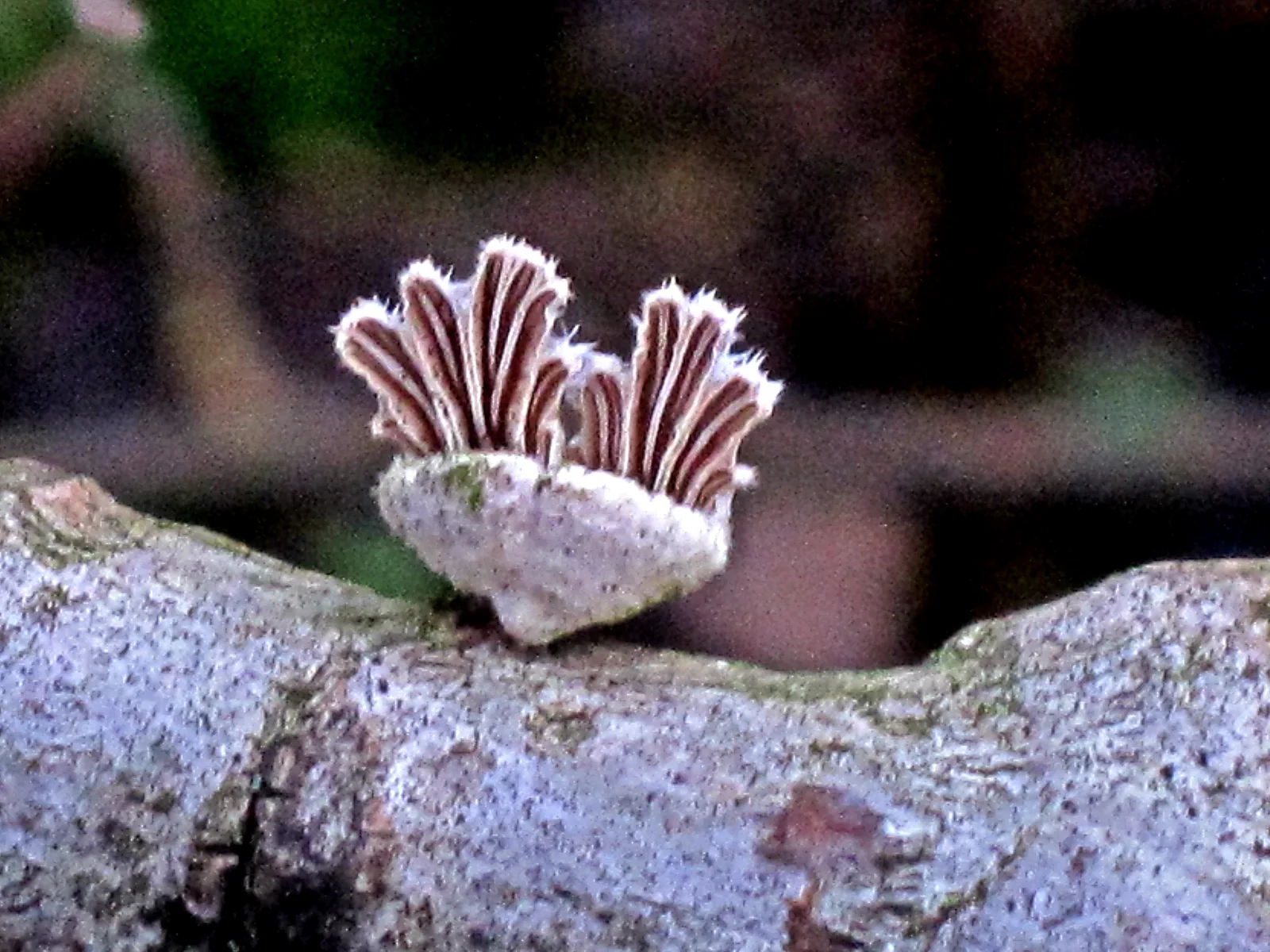
Split-gill structure / assembly-backed candidate
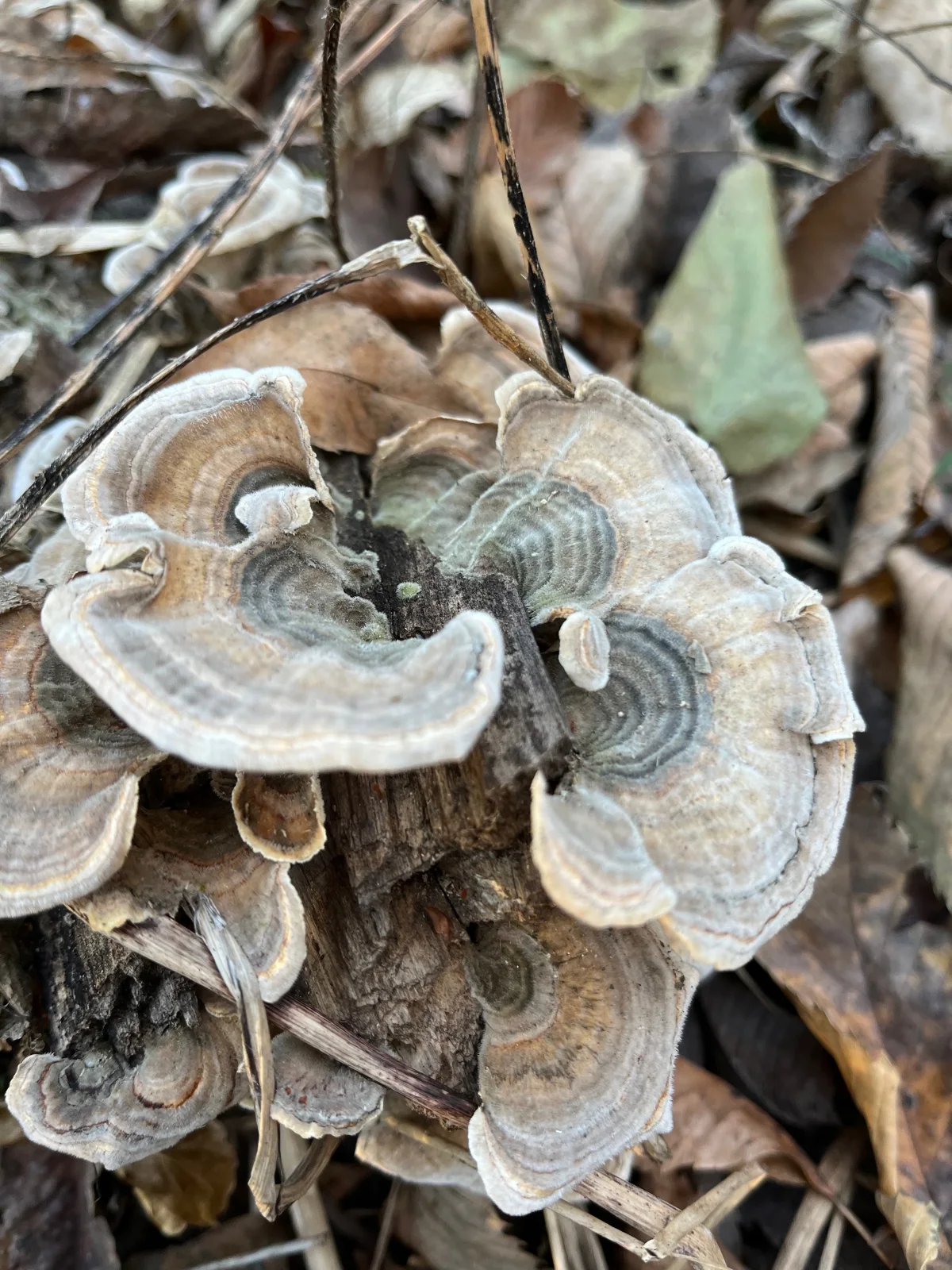
Concentric bands / strong visual identity
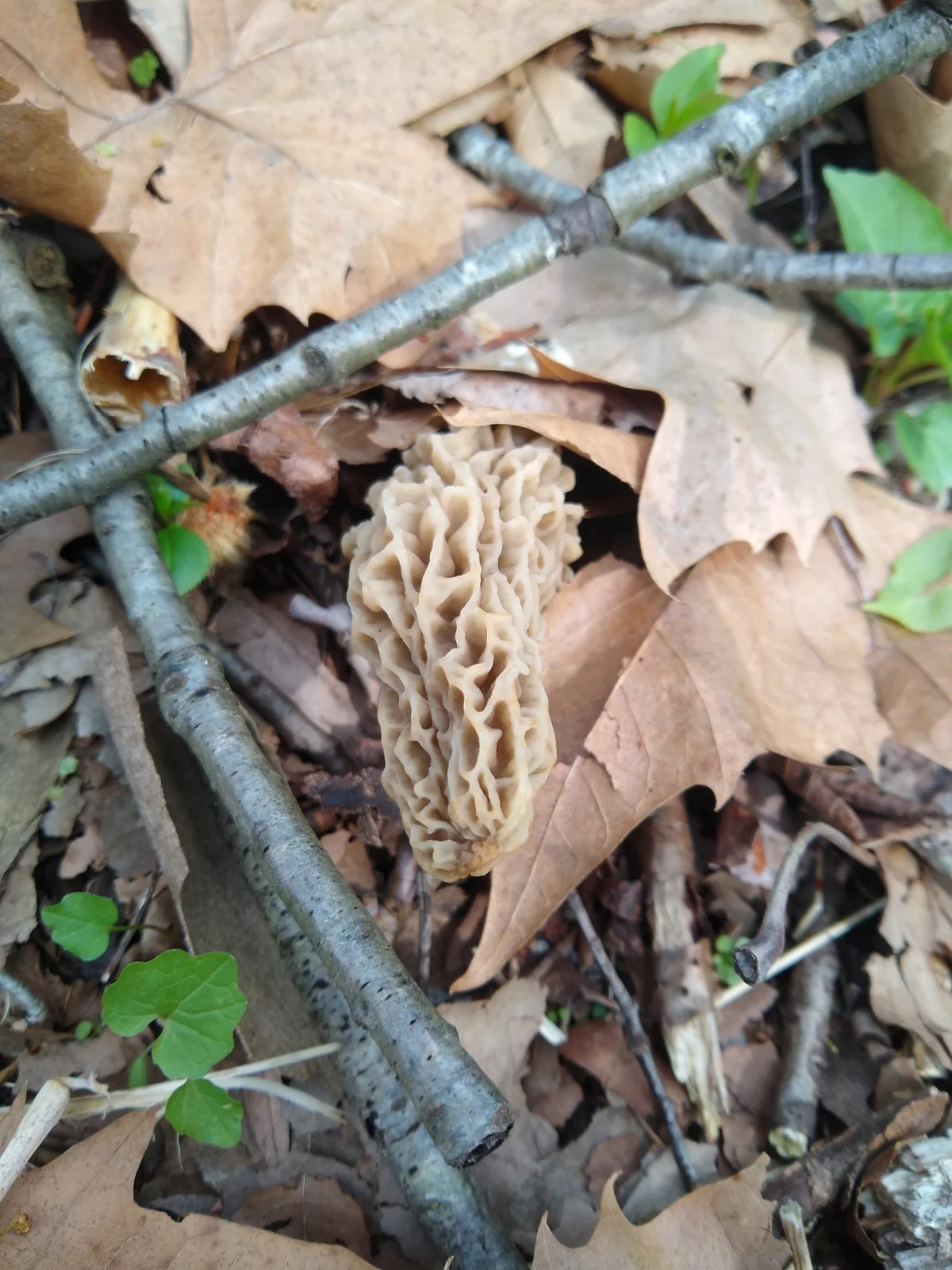
Reticulate cap / distinct structural language
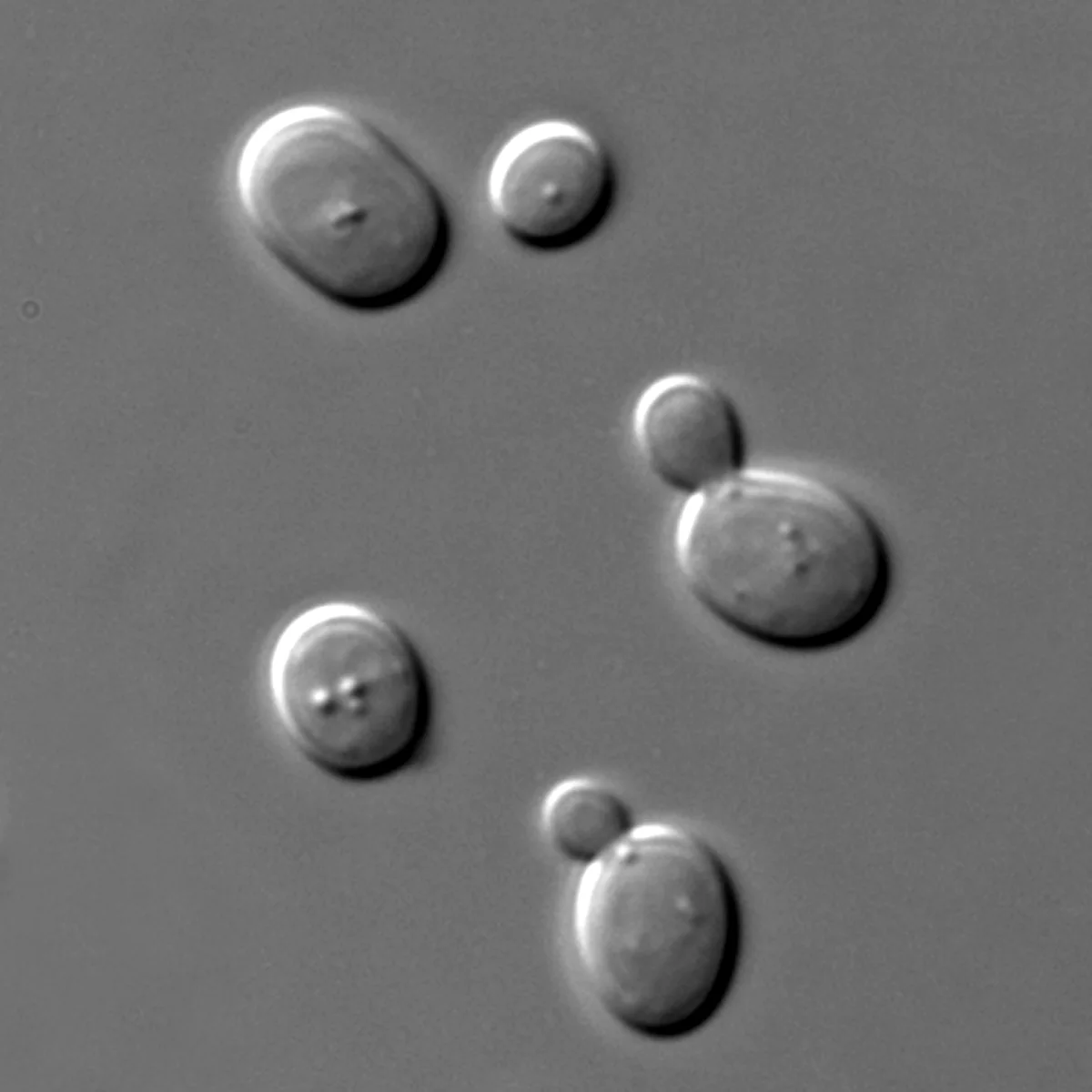
Single-cell contrast / non-mushroom morphology
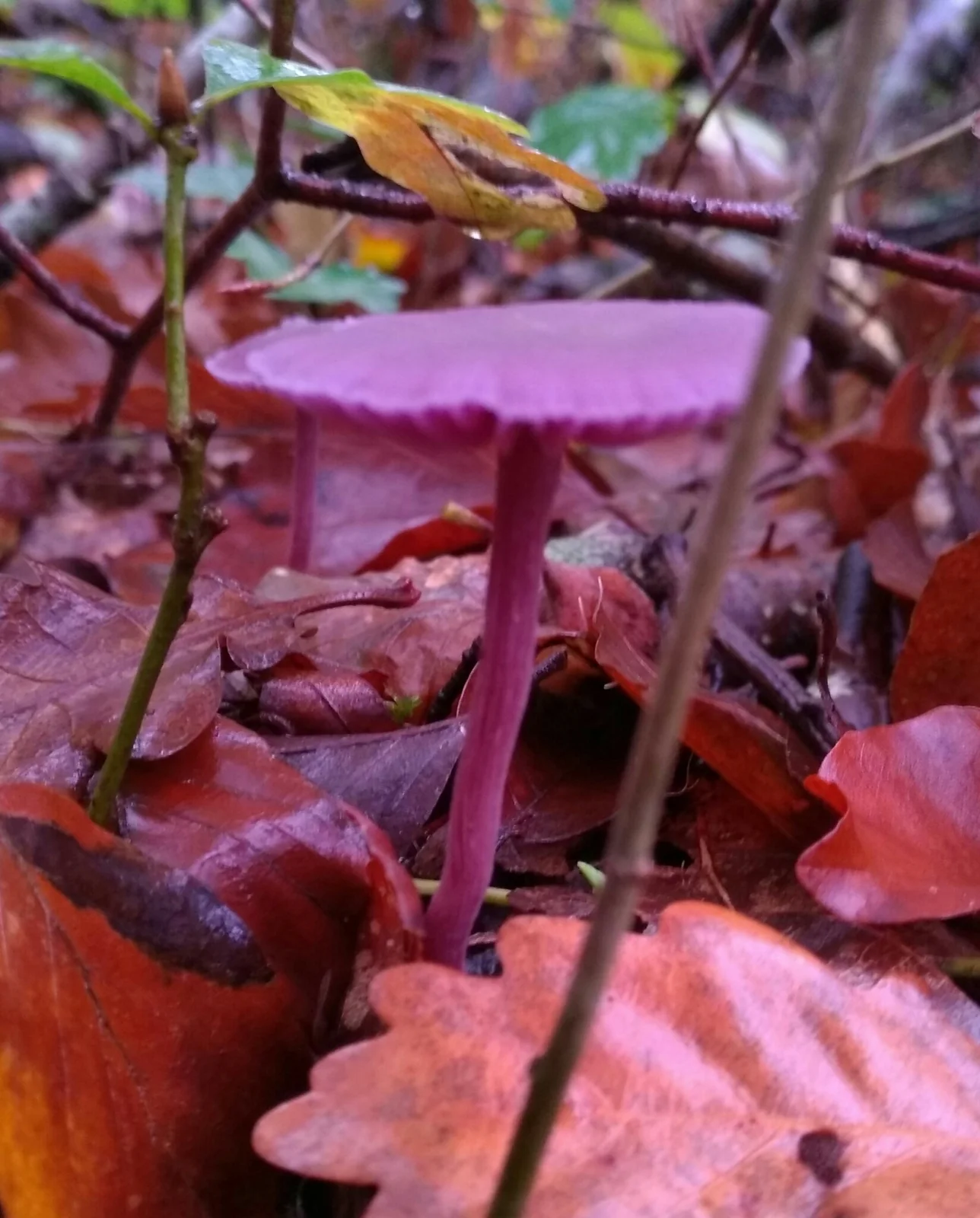
Violet fruiting body / assembly-backed chromatic anchor
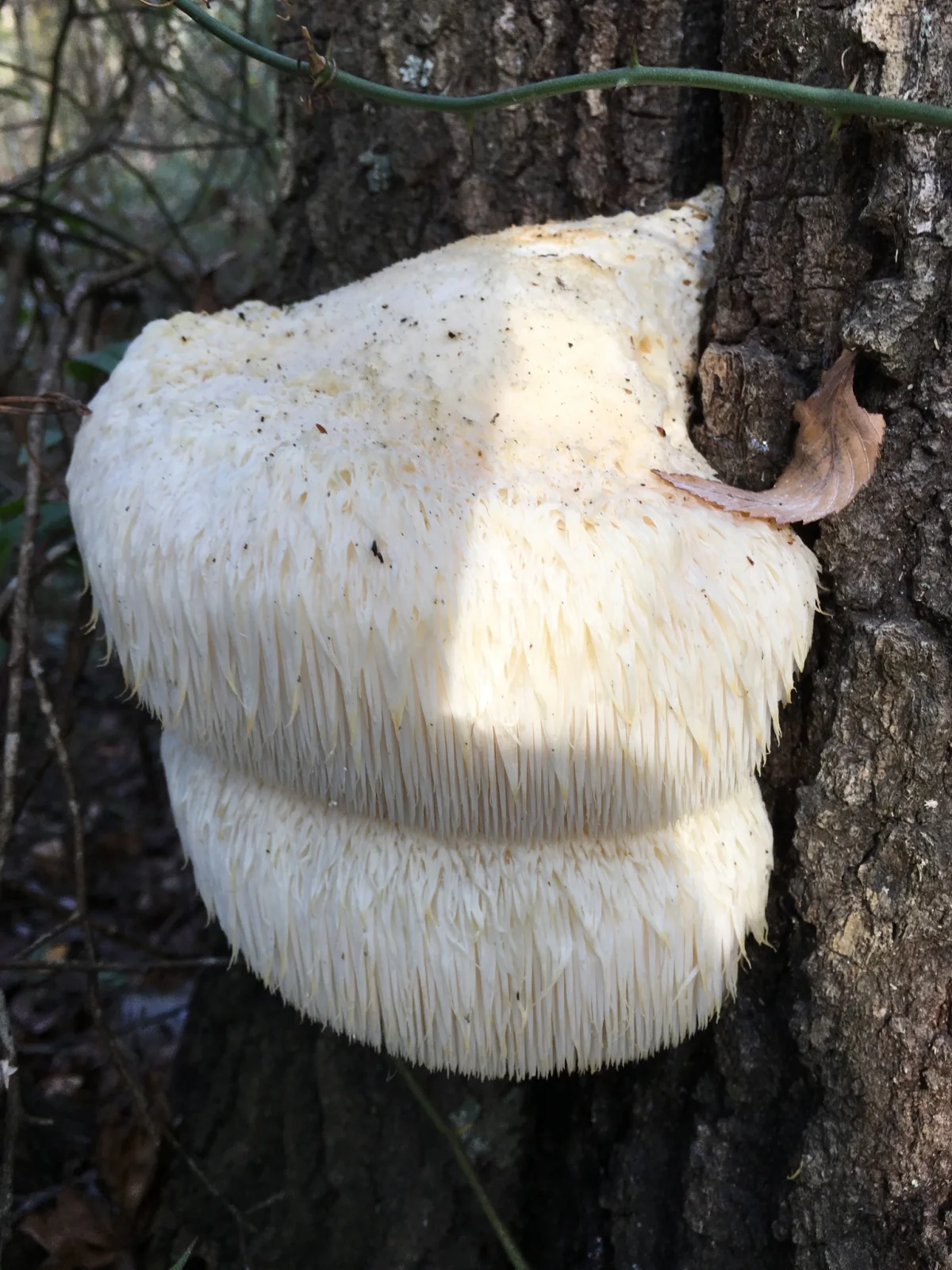
Cascading tooth spines / unmistakable habitat silhouette
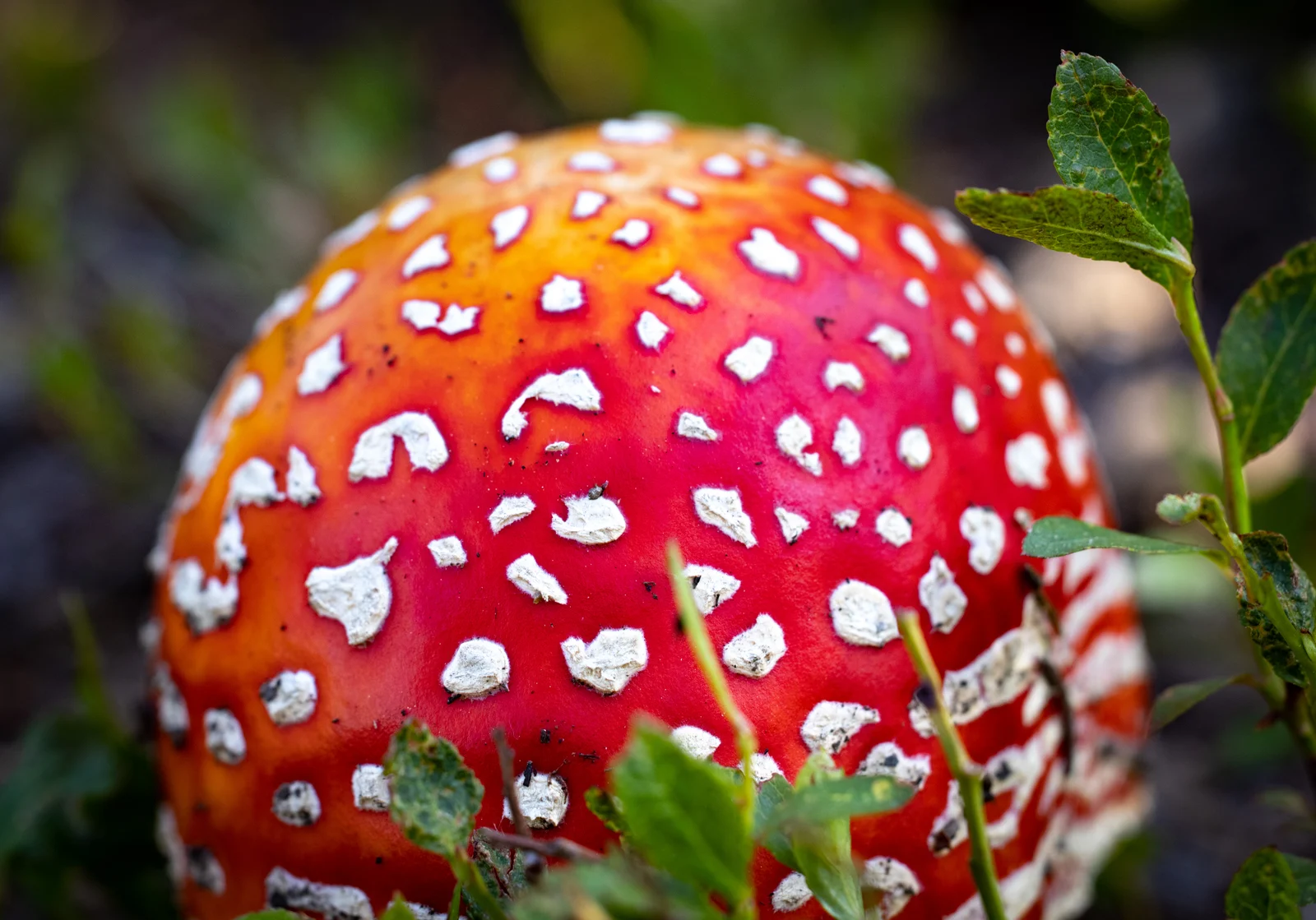
Red cap / white veil remnants / ectomycorrhizal forest form
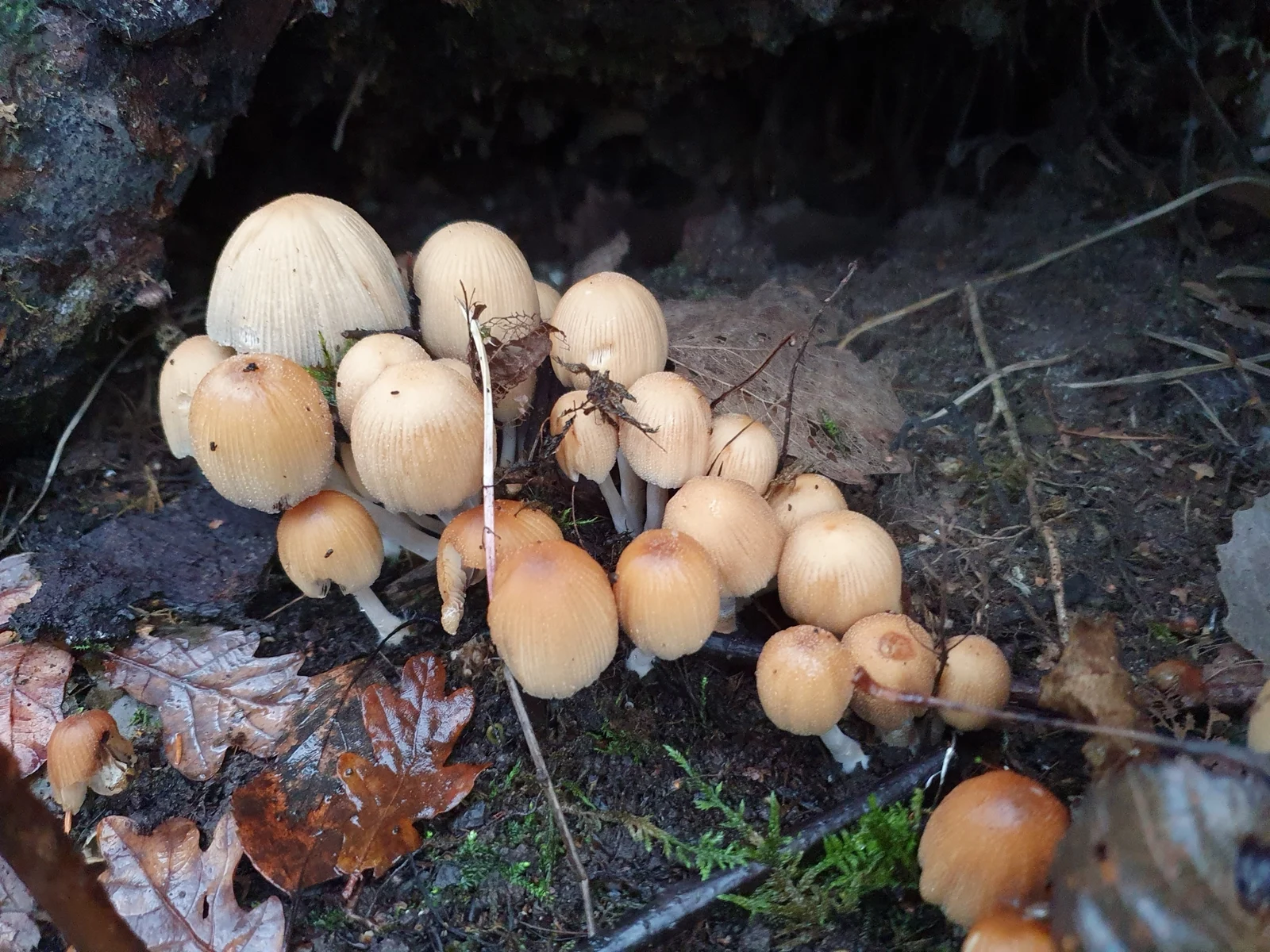
Clustered fruiting bodies / chromosome-level assembly anchor
Dense golden clusters / wood-associated cold-season form
04 / ANOMALY EXPERIMENT
Return any natural specimen to Mycelium for three to six random materials, scaled by Discovery Tier. Assemble one Matrix, one Pressure and one Catalyst, then burn that recipe on a compatible retained specimen to create a separate fictional child.
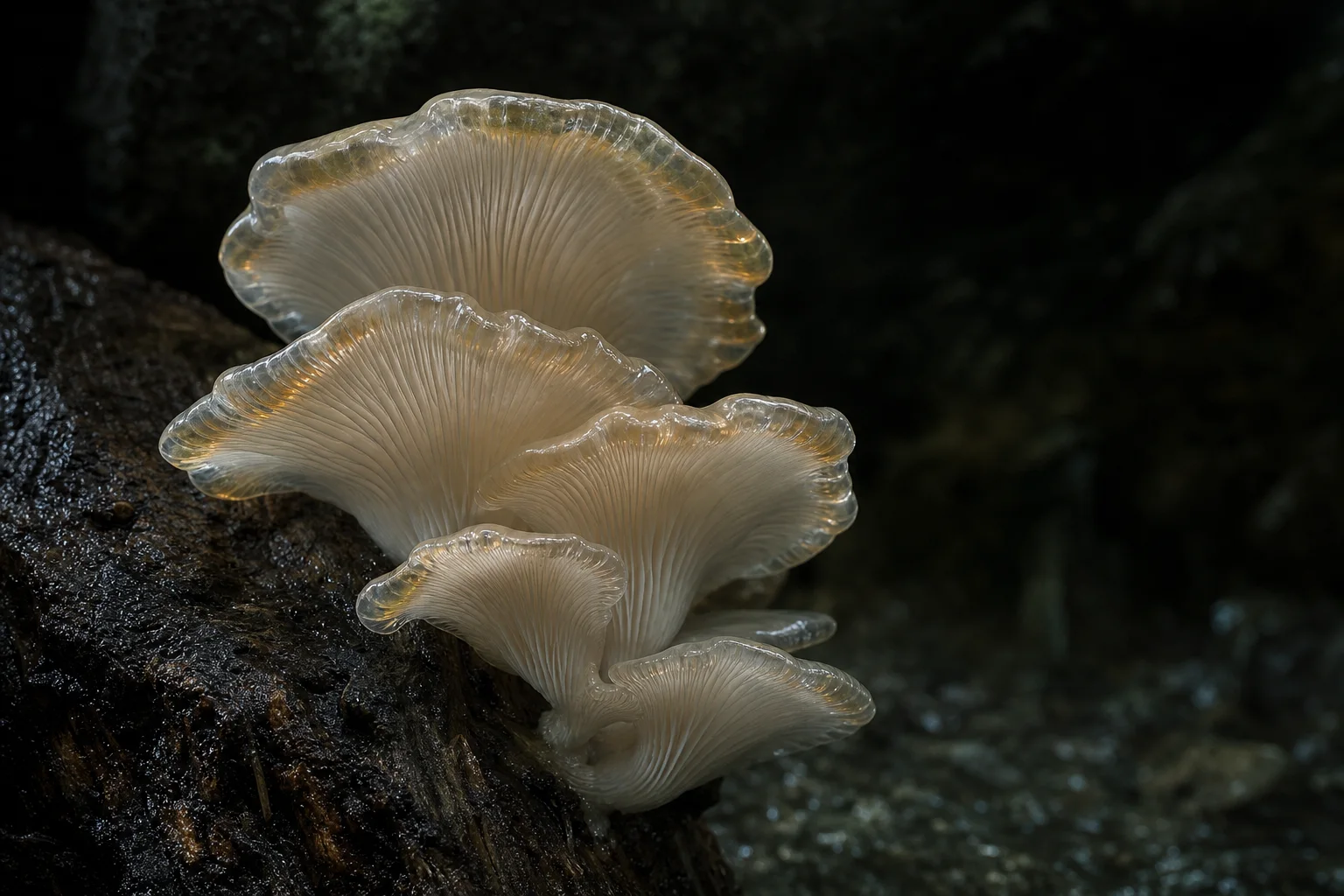
A fictional mineral-rich substrate produces translucent ribs and a glasslike cap edge.
05 / RETURN TO MYCELIUM
Returning is a voluntary, irreversible collection choice—not a refund. The live specimen leaves the habitat and a deterministic server receipt reveals its random yield.
random material units by Discovery Tier
equally likely active material variants
Expeditions contain one natural specimen and no bundled materials. Natural Discovery Tier changes only the number of random material units released: 3 / 4 / 5 / 6. Archive-only, Anomaly and Relic specimens cannot be returned. Genara does not promise repurchase, cash recovery, guaranteed liquidity or a minimum specimen price.
LIVING ECOSYSTEM / AUGUST 2026
Genara turns real fungal records into naturalistic specimens, personal glass habitats and rare fictional Anomalies. The current lab proves the deterministic mechanism; the living ecosystem comes next.